
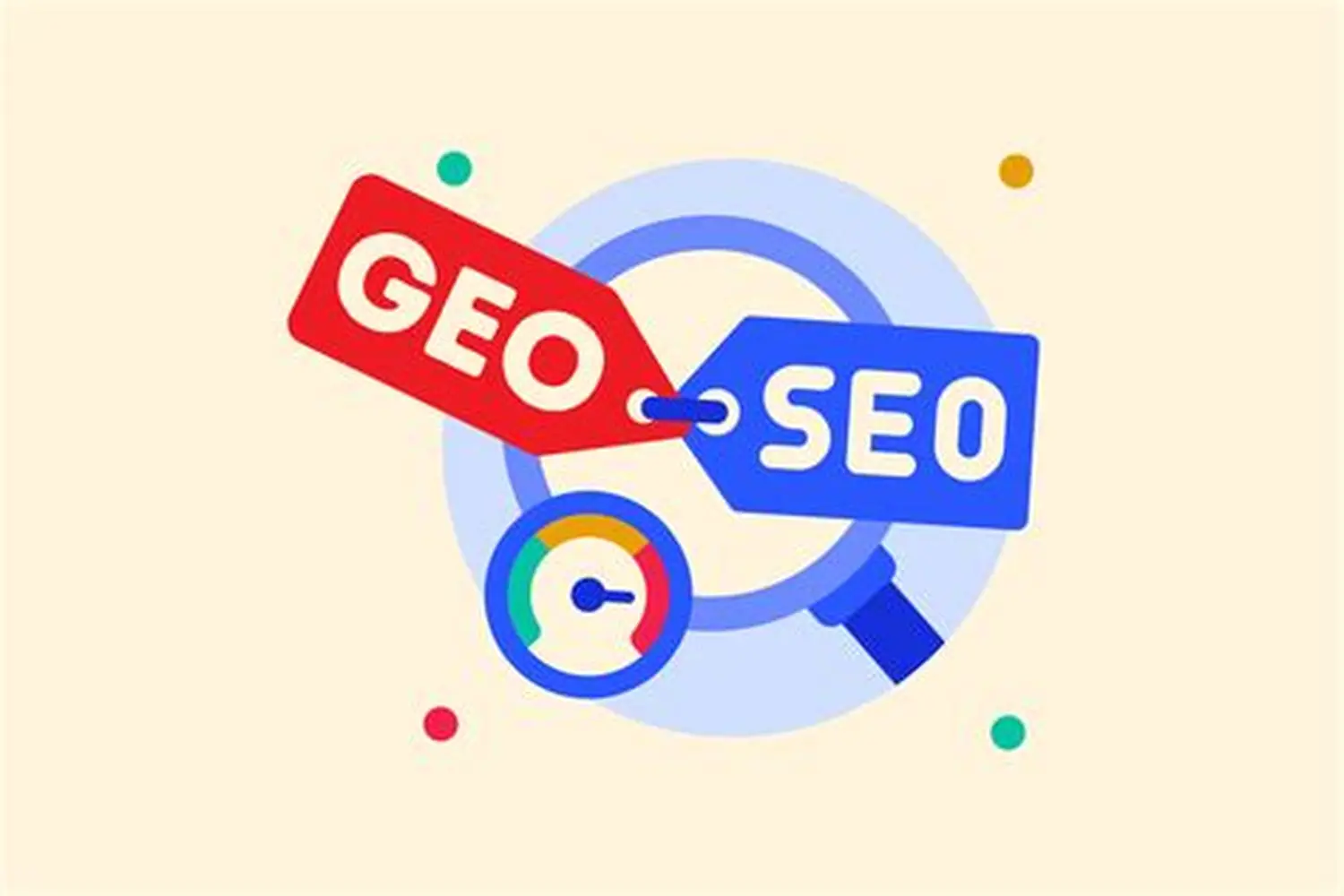
Over the past year, the digital marketing world has been flooded with new acronyms. GEO, AEO, AIO, AI SEO—the list seems to grow every month. Many businesses have been left wondering if traditional Search Engine Optimization (SEO) is becoming obsolete as AI-powered search engines continue to evolve.
Recently, Google helped settle the debate.
The company’s guidance has made one thing clear: Generative Engine Optimization (GEO) isn’t replacing SEO. It’s simply the next evolution of it.
That confirmation is significant because it reinforces what experienced SEO professionals have been saying all along. The same practices that help your website rank in Google Search are also the practices that help AI-powered search experiences understand, trust, and recommend your content.
If you’ve been worried that years of investing in SEO are suddenly irrelevant, the good news is they’re not. In fact, they’re more valuable than ever.
What Is GEO?
Generative Engine Optimization (GEO) refers to optimizing content so AI-powered search experiences can understand, cite, summarize, and recommend it.
Instead of only displaying a list of blue links, search engines are increasingly generating direct answers using artificial intelligence.
Examples include:
- Google’s AI Overviews
- ChatGPT Search
- Microsoft’s Copilot
- Perplexity AI
- Gemini
- Claude
These systems don’t magically create information.
They pull from existing web pages, trusted sources, and well-structured content across the internet.
That means your website still needs to earn trust the same way it always has.
Why Google Says GEO Is Still SEO
Google has repeatedly emphasized that website owners do not need an entirely new optimization strategy for AI Search.
Instead, Google recommends continuing to follow the same principles found in its long-standing Search documentation:
- Create helpful content for people.
- Demonstrate expertise.
- Build trust.
- Make your pages technically accessible.
- Organize information clearly.
- Provide unique value.
Those recommendations sound familiar because they’re exactly what good SEO has always been.
Google’s ranking systems—and now its AI systems—reward websites that consistently produce reliable, high-quality information.
The foundation hasn’t changed.
The way search results are presented has.
AI Doesn’t Replace Search—It Builds on It
Many people imagine AI as completely separate from Google Search.
It isn’t.
AI models still need trustworthy information.
They still evaluate:
- Authority
- Relevance
- Freshness
- Accuracy
- Structure
- Context
If your content performs well in organic search, it already has a strong foundation for appearing in AI-generated responses.
Think of SEO as building the library.
GEO helps AI librarians find the best books.
Without the library, there would be nothing to recommend.
The Core Principles That Still Matter
Helpful Content
Google’s Helpful Content System remains one of the most important ranking signals.
AI also favors content that genuinely answers questions instead of stuffing keywords into paragraphs.
Every article should aim to solve a real problem.
Ask yourself:
- Does this answer the user’s question?
- Would someone bookmark this?
- Is this more useful than competing articles?
If the answer is yes, you’re moving in the right direction.
E-E-A-T Is More Important Than Ever
Google continues to emphasize:
- Experience
- Expertise
- Authoritativeness
- Trustworthiness
AI systems also benefit from these signals because trustworthy information produces better responses.
Ways to strengthen E-E-A-T include:
- Publishing expert-written content
- Citing credible sources
- Keeping information updated
- Displaying author information
- Including company contact details
- Maintaining accurate business information
Trust has become one of the most valuable currencies online.
Content Structure Matters
Large language models process information differently than traditional ranking algorithms.
Clear organization helps everyone.
Use:
- Descriptive headings
- Bullet points
- Tables
- Numbered lists
- FAQs
- Short paragraphs
- Logical page hierarchy
When information is well organized, AI can more easily understand relationships between concepts.
Technical SEO Still Matters
Some businesses mistakenly believe AI ignores technical optimization.
That’s false.
AI systems still need to crawl and understand your website.
Technical SEO remains essential:
- Fast loading speeds
- Mobile-friendly design
- HTTPS security
- XML sitemaps
- Clean URL structures
- Proper internal linking
- Schema markup
- Crawlable content
If search engines can’t properly access your website, AI systems struggle too.
What Actually Changes with GEO?
Although GEO doesn’t replace SEO, it does encourage marketers to think differently about content.
Instead of optimizing solely around keywords, successful content also answers broader user intent.
For example:
Old SEO mindset:
“Best roofing company Houston.”
Modern GEO mindset:
- How much does roof replacement cost?
- How long does a roof last?
- What roofing material is best?
- How do I choose a contractor?
- What questions should I ask?
The article becomes a complete resource rather than a page targeting one phrase.
That’s exactly what AI prefers.
Entity-Based SEO Is Growing
Search engines increasingly understand topics instead of just keywords.
Rather than looking only for exact-match phrases, Google recognizes relationships between:
- Businesses
- People
- Products
- Services
- Locations
- Industries
Instead of repeating a keyword twenty times, build topical authority around an entire subject.
One comprehensive guide often outperforms several thin pages.
Topical Authority Is the Future
Google increasingly rewards websites that demonstrate deep expertise within a niche.
For example, an HVAC company shouldn’t only have service pages.
It should also publish articles about:
- Furnace maintenance
- AC repair
- Indoor air quality
- Energy efficiency
- Seasonal maintenance
- Heat pumps
- Thermostats
Over time, Google—and AI systems—recognize that website as an authority.
Authority isn’t built overnight.
It’s built article by article.
User Experience Still Wins
Google has always cared about user satisfaction.
AI search reinforces that philosophy.
Visitors should be able to:
- Find answers quickly
- Navigate easily
- Read comfortably on mobile devices
- Trust the information
- Contact your business without frustration
If users leave immediately because your website is slow or confusing, that’s not helping either traditional SEO or GEO.
Local Businesses Benefit Too
Some small business owners worry that AI search will eliminate local SEO.
In reality, AI still relies heavily on trusted local signals.
These include:
- Google Business Profile optimization
- Consistent NAP information
- Customer reviews
- Local citations
- Service pages
- Location pages
- Local backlinks
If anything, strong local SEO becomes even more valuable because AI wants confidence when recommending nearby businesses.
Common GEO Myths
Myth #1: SEO Is Dead
Not even close.
SEO has simply evolved alongside search technology.
Myth #2: AI Ignores Keywords
Keywords still matter.
They simply matter within context rather than through repetition.
Myth #3: AI Creates Better Content Than Humans
AI can assist with drafting ideas, but human expertise, personal experience, and original insights remain major competitive advantages.
Google continues rewarding content created for people first.
Myth #4: You Need to Rewrite Your Entire Website
No.
Most businesses simply need to improve existing content, strengthen authority, update information, and continue publishing helpful resources.
What Businesses Should Do Right Now
Instead of chasing every new marketing buzzword, focus on fundamentals:
- Continue investing in high-quality SEO.
- Publish expert-level content consistently.
- Answer customer questions thoroughly.
- Improve technical SEO.
- Build topical authority.
- Strengthen your Google Business Profile.
- Earn quality backlinks.
- Keep content updated.
- Add structured data where appropriate.
- Focus on helping users—not gaming algorithms.
These practices work for traditional search and AI-powered search alike.
The Bottom Line
Google’s message is reassuring.
Generative Engine Optimization isn’t replacing Search Engine Optimization.
It’s expanding it.
Businesses that already prioritize quality content, technical excellence, user experience, and trust are well positioned for the future of search.
Rather than abandoning SEO, think of GEO as the next chapter.
The websites that consistently educate, solve problems, and earn trust won’t just rank in search results—they’ll also become the sources AI systems rely on when answering millions of questions every day.
If your business wants to remain visible as search continues evolving, now is the perfect time to invest in an SEO strategy built for both Google and the AI-powered future.
At Nimble Boost SEO, we help businesses create search strategies that perform in traditional rankings while positioning them for the next generation of AI search. Because regardless of what new acronym comes along next, one thing remains true: great SEO is still the foundation of online visibility.

